Shipping a car across the country doesn't have to be stressful or expensive. With the right preparation and by choosing a reputable auto transport company, you can have your vehicle delivered safely and on-time — often at prices far lower than driving it yourself. This guide walks you through every step of the process.
Step 5: Vehicle Pickup
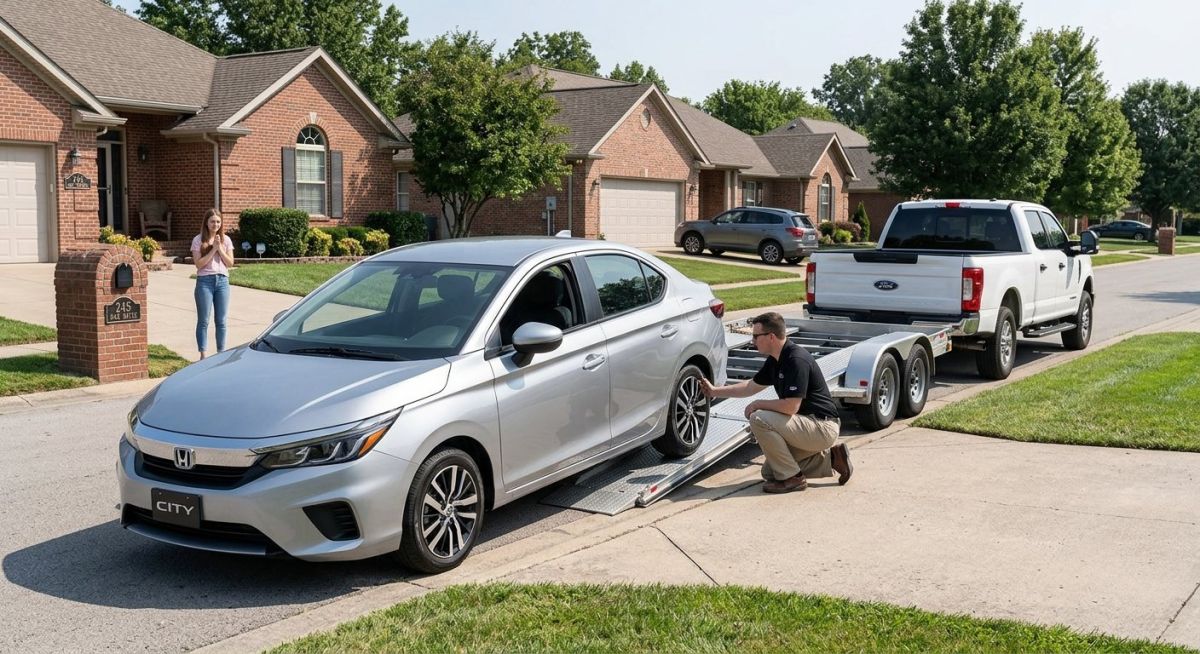
Your driver will arrive within the scheduled window. Together, you'll conduct a thorough inspection of the vehicle and document any existing damage on the bill of lading. Both you and the driver will sign this form — keep your copy safe. This document is your protection if any disputes arise at delivery.
Step 6: Transit Period
Transit times vary by distance. Short hauls (under 500 miles) typically take 1–3 days. Medium distance routes (500–1,500 miles) take 3–5 days. Coast-to-coast shipments usually take 7–10 days. Most carriers provide tracking updates, and you can always call your broker for status updates.
Step 7: Vehicle Delivery
At delivery, conduct another thorough inspection with the driver. Compare the vehicle's condition against the pickup inspection form. If you notice any new damage, note it on the delivery bill of lading before signing. Never sign a clean bill of lading if there is damage — doing so waives your right to make a claim.
How Much Does Car Shipping Cost?
Auto transport costs range from $300 to $2,000+ depending on the route distance, vehicle size, transport type, and current market conditions. The average cross-country shipment (coast to coast) costs $900–$1,400. Shorter routes can cost as little as $300–$600. Use our free price estimator to get a ballpark for your specific route.
Popular Routes and Typical Costs
- California to Texas: $650–$950 (open), 3–5 days
- New York to Florida: $700–$950 (open), 3–5 days
- California to New York: $1,000–$1,400 (open), 7–10 days
- Texas to Florida: $600–$850 (open), 2–4 days
Is Auto Transport Safe?
Yes — auto transport is very safe when you choose an FMCSA-licensed carrier or broker. All licensed carriers are required by federal law to carry cargo insurance. Statistically, less than 1% of vehicles transported experience any damage, and most reported damage is minor (paint chips, scratches) that was either pre-existing or occurred during loading.
When you use DirectAutoHaul, every company in our network has been verified for FMCSA licensing and active insurance. We also display real customer reviews so you can see exactly what others experienced before committing to a company. Your personal data is encrypted and never sold to third parties — you'll only hear from licensed brokers who can actually help you.